Principal Investigator
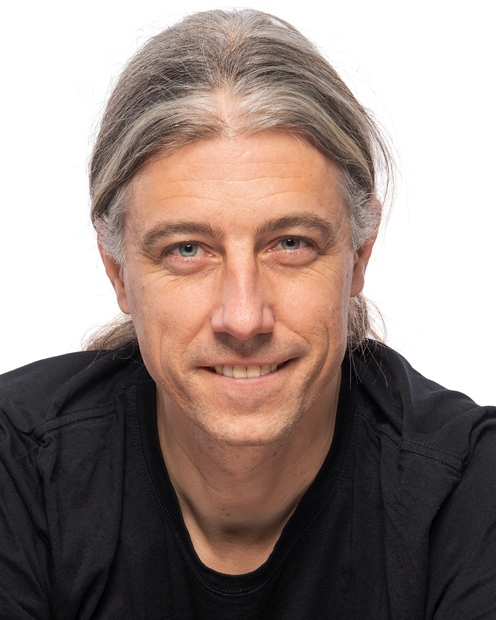
Prof. Dr. Nico Bruns
nico.bruns@tu-darmstadt.de
ORCID: 0000-0001-6199-9995
Google Scholar: Link
Nico studied Chemistry at the Universities of Freiburg (Germany) and Edinburgh (Scotland). He graduated from the University of Freiburg as Diplom-Chemiker in 2003 and, under the supervision of Prof. Joerg C. Tiller and Prof. Rolf Mülhaupt, undertook a PhD in Macromolecular Chemistry, which he obtained in 2007. In his doctoral work, Nico investigated amphiphilic polymer conetworks as nanostructured support for biocatalysis in non-aqueous media. From 2007 to 2008, he joined the group of Prof. Douglas S. Clark at the University of California, Berkeley, as Postdoctoral Researcher where he explored biotechnologically engineered protein cages as mechano-responsive sensor molecules in polymeric materials. Upon returning to Europe, Nico joined the Department of Chemistry of the University of Basel in Switzerland. From 2008 to 2013, he led an independent junior research group as Habilitand and received the Venia Docendi for Chemistry in 2014. He was awarded a Swiss National Science Foundation Professorship, which enabled him to join the Adolphe Merkle Institute as Associate Professor of Macromolecular Chemistry from 2013 to 2018. In 2018, he was appointed full Professor of Macromolecular Chemistry at the University of Strathclyde, Glasgow. At the end of 2021 he moved to the Department of Chemistry of the Technical University of Darmstadt, where he now is Full Professor of Sustainable Functional Polymers.
Nico remains a Visiting Professor at the University of Strathclyde, is co-affiliated to the Department of Chemistry of the Johannes Gutenberg University Mainz, and is an MPGC Faculty Member of the Max Planck Graduate Center Mainz.
Nico coordinates the EU-funded Marie Skłodowska-Curie Doctoral Network Metal-Containing Radical Enzymes (MetRaZymes) and was coordinator of the now completed Marie Skłodowska-Curie Innovative Training Network Plant-Inspired Materials and Surfaces (PlaMatSu). He is a founding member and principal investigator of the Swiss National Center of Competence in Research (NCCR) Bio-Inspired Materials as well as a principal investigator of the Partnership for International Research and Education (PIRE) Bio-inspired Materials and Systems.
Nico is a Fellow of the Royal Society of Chemistry, and the recipient of a scholarship from the German National Academic Foundation, of a Marie Curie Fellowship, a Holcim Stiftung Wissen Habilitanden Fellowship, a Swiss National Science Foundation Professorship, and the Pfizer Research Award for Young Scientists. He was honored as Emerging Investigator by the journals Chemical Society Reviews and Journal of Materials Chemistry A. Furthermore, his Hemolytics team won the 3rd place of the Yposmed Innovation Award 2019.
Administration

Cornelia Gräfing
kornelia.graefing@tu-darmstadt.de
Tel: +49 6151 16-21588
Conny Gräfing is the Administrative Assistant of the Sustainable Functional Polymers Research Group at TU Darmstadt.
Senior Scientists, Group Leaders and Project Manager
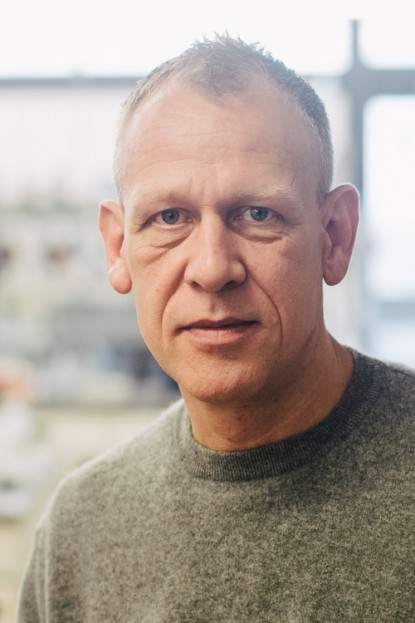
Apl. Prof. Dr. Stefan Immel
lemmi@chemie.tu-darmstadt.de
ORCID: 0000-0002-6524-2399
Stefan ‘Lemmi’ Immel is a theoretical organic chemist developing new computational tools for NMR spectroscopy. He is also a polymer chemist who supports the Bruns group with his computational expertise and his teaching excellence. More information can be found here.
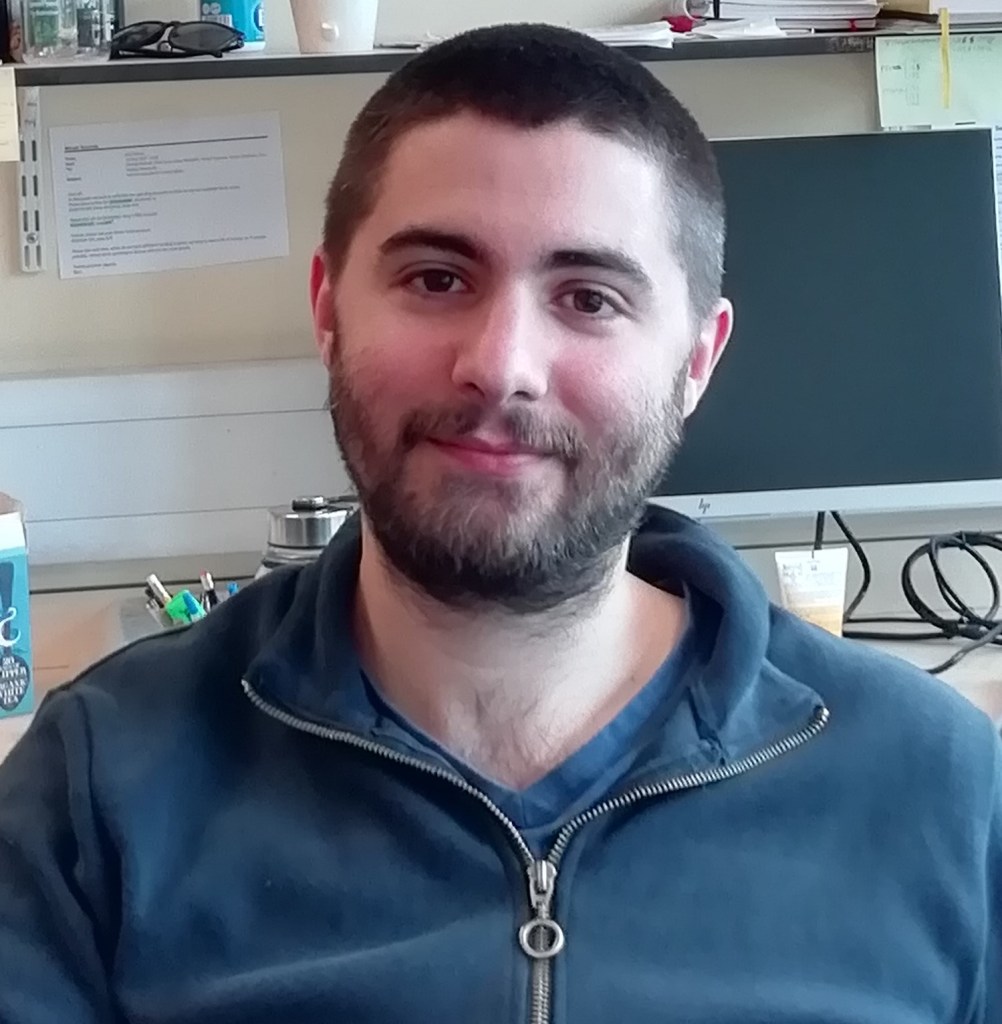
Dr. Andrea Belluati
Emmy Noether Group Leader and Athene Young Investigator, Biohybrid Systems for Cellular Engineering
andrea.belluati@tu-darmstadt.de
ORCID: 0000-0003-2305-727
Andrea obtained his MSc in Industrial Biotechnology from the University of Turin in 2015 after carrying out his thesis work at the Institut National des Sciences Appliquées in Toulouse. He then joined the group of Prof. Cornelia Palivan at the University of Basel, designing cascade reactions within polymersomes as cell and organelle mimics, being awarded his PhD in 2020. He then spent 6 months as a postdoc at the University of Chemistry and Technology of Prague, in the group of Prof. Miroslav Šoóš, working on microfluidic reactors.
In 2021, he joined the Bruns group with a Marie Skłodowska-Curie Individual Fellowship, followed by a TU Darmstadt Career Bridging Fellowship to develop the self-encapsulation of bacteria via bioATRP and their integration into eukaryotes as endosymbionts, as well as to develop self-synthesizing artificial cells.
Andrea’s projects have received funding from the European Union’s Horizon 2020 research and innovation programme under the Marie Skłodowska-Curie grant agreement No 101032493, and from other funders. In 2024, he was appointed an Athene Young Investigator by the TU Darmstadt, and from 2025 he leads his independent Emmy Noether Research Group.
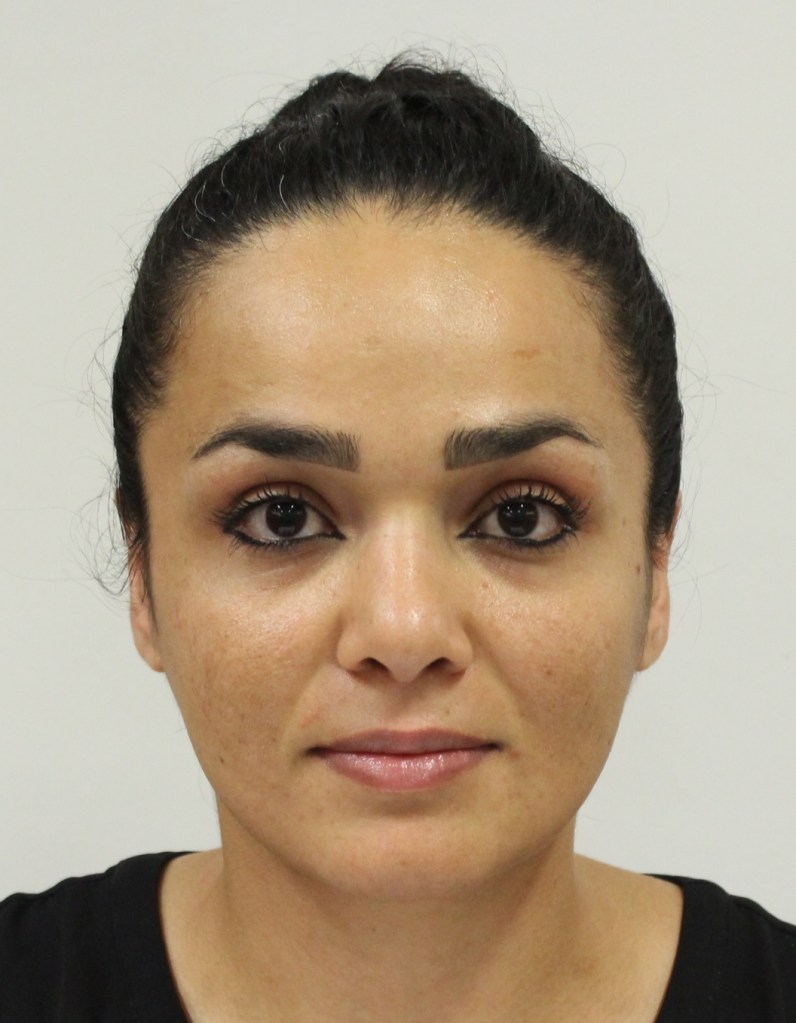
Dr. Raheleh Pardehkhorram
Project Manager of Marie Skłodowska-Curie Actions Doctoral Network MetRaZymes
raheleh.pardehkhorram@tu-darmstadt.de
Tel: +49 6151 16-25166
ORCID: 0000-0002-1412-2151
Dr. Raheleh Pardehkhorram received her BSc degree in Chemistry from the Ferdowsi University of Mashhad (Iran). She completed her MSc in inorganic chemistry from Iran University of Science and Technology. In 2015, she joined the PhD program in Chemistry under the supervision of Prof. Justin Gooding at the University of New South Wales (UNSW) Sydney. She then spent one year at UNSW Sydney as a postdoctoral fellow. She joined Prof. Annette Andrieu-Brunsen’s group at TU Darmstadt (Germany) in March 2021, where she is working as a postdoctoral researcher. In October 2022, she joined the Bruns Group as a project manager of MSCA Doctoral Network MetRaZymes.
Postdocs
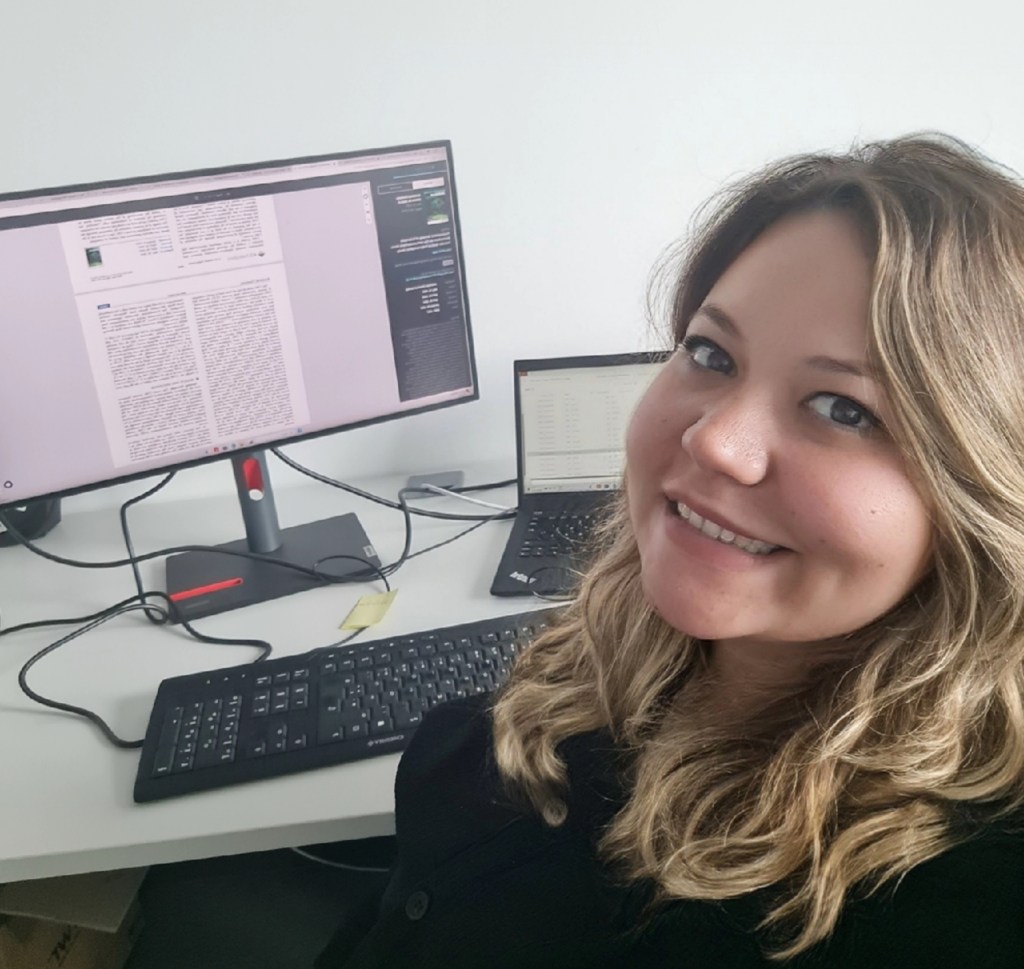
Dr. Gözde Deveci
gozde.deveci@tu-darmstadt.de
ORCID: 0000-0001-7944-3469
Gözde received her B.Sc. (2015 with honors) and M.Sc. (2017) in the Department of Bioengineering at Yildiz Technical University, Turkey. In her master’s thesis, she focused on the synthesis and modification of functional polymeric materials (stimuli-responsive micro- and nanoparticles, bioactive hybrid polymers) for biomedical applications. During her master’s degree, she also worked in a start-up company (IDIATEK, Turkey) on the development of a point-of-care technology for the diagnosis of circulating tumour cells, using functional molecule synthesis, bioconjugation strategies, click chemistry and traditional and modern polymerization techniques. She then started as a research assistant at Bezmialem Vakif University, Turkey and completed her PhD at the same university in the Department of Biotechnology (2022). In her PhD thesis, she focused on all life cycle stages (vector and host)
of the Plasmodium parasite and worked on the development of a live attenuated vaccine against malaria. Her PhD thesis was awarded with doctoral fellowship by the Scientific and Technological Research Council of Turkey (TUBITAK 2211-C). During her PhD, she was also involved in several projects related to recombinant protein expression and gene editing technology to develop new vaccines and drugs for malaria treatment.
In February 2024, she joined the Bruns group as a postdoc with a TU Darmstadt Career Bridging Fellowship and was then awarded a Marie Sklodowska-Curie Postdoctoral Fellowship (project number: 101152700) to develop an ultrasensitive malaria diagnostic system using biocatalytic fluorescence switch-on polymerizations.
PhD Students
Gizem Cantörü
gizem.cantoerue@tu-darmstadt.de
ORCID: 0009-0000-0652-0267
Gizem obtained her Bachelor’s degree in chemistry from Yıldız Technical University in 2020, then completed her Master’s degree in (Bio) Organic and Polymer Chemistry at Ghent University in 2023, where she worked on the development of gelatin-based hybrid hydrogels for 3D printing applications for her master’s thesis. She completed her academic internship at the Bruns Group during her master’s program, focusing on enzymatic atom transfer radical polymerizations. In 2024, she rejoined the Bruns Group as part of the MSCA COFUND trainLSE doctoral program within the Graduate School of Life Science Engineering to work on artificial cells via biocatalytic polymerization-induced self-assembly.

Ketan Deodatt Amita Kulkarni
ketan.kulkarni0503@gmail.com
ORCID: 0009-0008-9573-9356
Ketan is a DAAD-funded PhD researcher at TU Darmstadt, working under the supervision of Dr. Andrea Belluati and Prof. Nico Bruns. His research focuses on the development of artificial cells and exploring cellular communication and bio-inspired material design. He holds a background in biochemistry and molecular biology, with prior research experience in cancer cell biomechanics.
He obtained a Master’s degree in Biochemistry from Fergusson College (Autonomous), Pune, and worked as a research assistant at the Indian Institute of Science (IISc), Bangalore and the Indian Institute of Technology Bombay (IIT Bombay) prior joining the group.
Rana Naderi Ahranjani
rana.naderi@tu-darmstadt.de
ORCID: 0009-0006-2014-4636
Rana is a DFG-funded PhD researcher at TU Darmstadt, working under the supervision of Dr. Andrea Belluati in Bruns’ group on the design of polymer-based artificial cells and artificial symbionts, systems that explore the thin line between chemistry and life.
Her academic path began with an M.Sc. in Biotechnology Engineering at Sahand University of Technology, Iran, where she worked on liquid–liquid phase separation (LLPS) systems to detect viral genomes of the SARS-CoV-2 virus from aquatic environments. Later, through her experiences as a Quality Control Manager in the wet wipes industry and a Planning Expert in the polymer industry, she developed a deep appreciation for precision, structure, and the hidden dynamics of complex systems, lessons that now shape how she thinks about synthetic life.
Today, her research focuses on crafting and engineering polymer-based systems that can organize, adapt, and evolve, artificial cells that hold traces of life, systems that begin to think, to respond, to become almost alive. Each experiment brings her closer to the question that drives her curiosity: how life emerges from matter, and how we might design that emergence.
In the future, she aims to expand her research in synthetic symbiosis and molecular design, exploring new pathways where artificial and biological worlds evolve together.

Sam Russell
sam.russell@tu-darmstadt.de
ORCID: 0000-0003-4991-5562
Sam completed his Master’s degree in Chemistry at the University of Strathclyde. He worked in the Bruns group on encapsulation and release of fragrances from polymersomes. He then joined the Bruns group at Strathclyde as a PhD student in 2021 to work on peptide-reinforced hydrogels in the PIRE Bio-Inspired Materials and Systems. He moved to TU Darmstadt, where he continues this project and focuses on polymersome-laden hydrogels for out-of-equilibrium-materials as a member of the NCCR Bio-Inspired Materials.

Bianca Schell
bianca.schell@wihi.tu-darmstadt.de
ORCID: 0000-0003-0314-5259
Bianca obtained her MSc in Life Science at the University of Konstanz in 2020. During her master’s program, she worked in diverse laboratories where she witnessed the massive environmental impact of research. Afterwards, she worked at the University of Konstanz and the Max Planck Institute and engaged in voluntary work of making research more sustainable.
In 2022, she received a fellowship from the Evonik Foundation to do her PhD in the Bruns group. She is investigating the effect of resource-saving-measures in laboratories with different research backgrounds.
Lotta Tölke
lotta.toelke@tu-darmstadt.de
ORCID: 0009-0000-5672-9878
Lotta joined the Bruns group in 2024 to work on Engineered Living Materials as part of the DFG Priority Program SPP2451 Engineered Living Materials with Adaptive Functions.
Iuliia Ushakova
iuliia.ushakova@tu-darmstadt.de
ORCID: 0009-0008-0649-9718
In her PhD project, Iuliia engineeres enzymes for atom transfer radical polymerizations as part of the MSCA Doctoral Network Metal-containing Radical Enzymes (MetRaZymes).
QianXin Zhang
qianxin.zhang@tu-darmstadt.de
ORCID: 0000-0003-3585-2759
Qianxin graduated from Qinghai University in 2020 with a bachelor’s degree in metallurgical engineering. He then pursued his Master of Science degree in the Department of Chemistry, Xiamen University, where he worked on the synthesis of nanocarbon-based porphyrin ruthenium complex catalysts and their application in photocatalytic water oxidation. In September 2023, he joined Bruns’ research group as a PhD student, and his current research interest is enzymatic ATRP in flow reactions within the MSCA Doctoral Network Metal-containing Radical Enzymes (MetRaZymes).
Master/Bachelor Thesis Students and Student Assistants
Technical Staff and Engineers
Michael Kickstein
michael.kickstein@tu-darmstadt.de
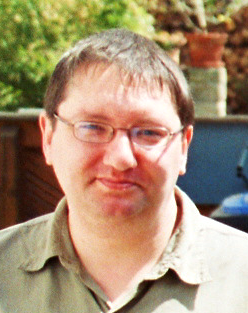
Michael Kickstein is Biological Technical Assistant and runs the group’s protein bio-lab.
Alumni


Groupleaders

Prof. Dr. Musammir Khan
Humboldt Research Fellow
musammir.khan@polymer.tu-darmstadt.de
ORCID: 0000-0002-9814-4330
Musammir Khan is Associate Professor Chemistry, School of Natural Sciences at the National University of Sciences and Technology, Islamabad. He joined the Bruns group in 2024 with a Humboldt Research Fellowship from the Alexander von Humboldt Foundation and works on self-healing gels and amphipilic polymer conetworks for biomedical applications.
Dr. Michela M. Pellizzoni
Ambizione Fellow
michela.pellizzoni@unifr.ch
Location: Adolphe Merkle Institute
ORCID: 0000-0003-4294-0247
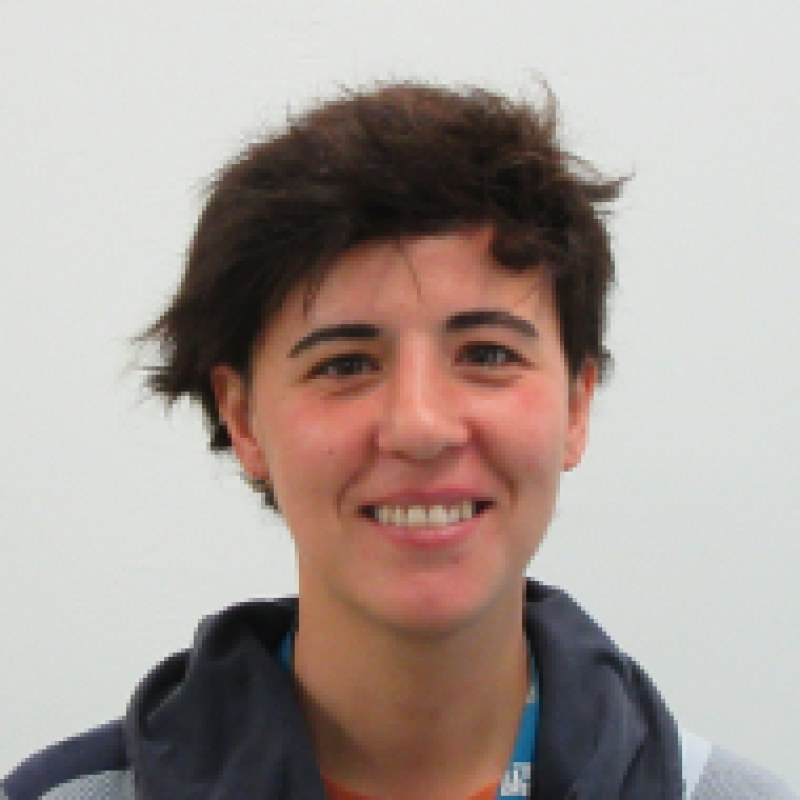
Dr. Michela M. Pellizzoni received her M.Sc. degree in Biotechnology in 2011 from the University of Milan. She earned her PhD degree in Pharmaceutical Sciences in 2015 on the development of hybrid systems based on new chiral aminophosphine and diamine ligands and their applications in asymmetric synthesis.
After 2 year in the group of Prof. Thomas Ward in Basel working on the development of new catalytic reactions and protein scaffold engineering for in vivo catalysis with artificial metalloenzymes, in October 2017 she joined Bruns group. In this second post-doc experience she was involved in the enzymatic ATRPase project. Using chemo-genetic optimisation strategies, she developed tailor-made catalyst for Atom Transfer Radical Polymerisation reactions.
In 2018, she received an Ambizione grant from the Swiss National Science Foundation to establish her independent academic career and to develop novel bio-inspired catalysts for controlled radical reactions under mild and physiological conditions. She is now Manager Lead Analyst at HAS Healthcare Advanced Synthesis SA.

Dr. Jonas Pollard
Innosuisse Fellow
Location: Adolphe Merkle Institute
ORCID: 0000-0002-9331-576X
Jonas obtained his PhD degree in chemistry from the Adolphe Merkle Institute, University of Fribourg in 2017. From then until 2021he lead the Hemolytics project targeting the development of a novel, highly-sensitive and inexpensive malaria diagnostic device to assist malaria eradication campaigns. Jonas now works as Technology Transfer Officer at PACTT Technology Transfer Office, Lausanne.
Postdocs

Dr. Anna Szelwicka
anna.szelwicka@tu-darmstadt.de
ORCID: 0000-0001-8324-856X
Anna graduated from Silesian University of Technology in 2016 with the master’s degree, defending a thesis entitled ‘Baeyer-Villiger oxidation of cyclic ketones to lactones using heterogeneous catalysts’ performed in Prof. Anna Chrobok’s group. In the same year she started doctoral studies in a field of biocatalysis, focusing on the development of new heterogeneous biocatalysts for fine chemicals syntheses, based on lipases and carbon nanotubes and/or ionic liquids. During her doctoral studies, she spent 5 weeks in Selvita S.A. working on carrying out organic syntheses in flow systems; 6 weeks at Queen’s University Belfast in Prof. Swadzba-Kwasny’s group (QUILL), characterizing selected ionic liquids as well as 6 weeks at University of California, Irvine in Prof. Zuzanna Siwy’s group, where she worked on squeezing ionic liquids through nanopores to determine their electrochemical properties. During her doctoral studies, she successfully applied for a project ‘Studies on the catalytic performance of biocatalysts based on supported ionic liquids’, which was financed in the framework of Preludium program (Polish National Science Centre). She is also a co-inventor of innovative technology of synthesis of ε-caprolactone, which is currently being tested in a pilot plant by Azoty Group Pulawy, Poland. After graduation, she joined Prof. Nico Bruns’ group at TU Darmstadt in January 2022, where she is working as a postdoctoral researcher within the TU Darmstadt-Merck Sustainability Hub on enzymatic degradation of polymers, exploiting protein engineering techniques. Anna moved on in January 2025 to work as Research and Development Specialist at Orlen SA.
Dr. Amin Reyhani
Location: TU Darmstadt
ORCID: 0000-0001-8037-4173
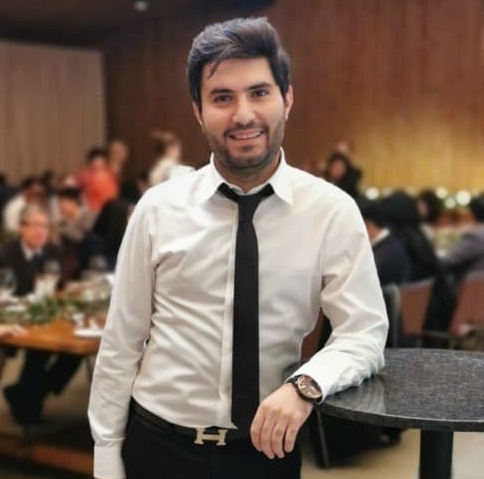
Amin Reyhani earned his BSc degree in chemical engineering from Sahand University of Technology, Iran, in 2010. He graduated from Sharif University of Technology, Iran, with his MSc degree in chemical engineering in 2012. He completed his Ph.D. studies in polymer chemistry at The University of Melbourne, Australia, under the supervision of Prof. Greg Qiao in July 2019 in the polymer science group (PSG). His Ph.D. research was focused on harnessing the power of Fenton chemistry in the RAFT polymerization technique. After his Ph.D., he stayed in PSG as a postdoctoral researcher, pushing the boundaries of the Fenton-RAFT technique, until July 2020. He was teaching different chemical engineering subject courses for 2 semesters in the year 2020-2021. Amin joined Prof. Nico Bruns’ group at the Technical University of Darmstadt, Germany, as an Postdoctoral Researcher from February 2022 to July 2023 to work on the EPSRC-funded project titled “Intracellular Controlled Radical Polymerization”.
You can find more information on LinkedIn or Applyindex.
LinkedIn: https://www.linkedin.com/in/aminreyhani/
Applyindex: https://applyindex.com/student/amin-reyhani/
Dr. Sètuhn Jimaja
Location: Adolphe Merkle Institute
ORCID: 0000-0001-6136-0550
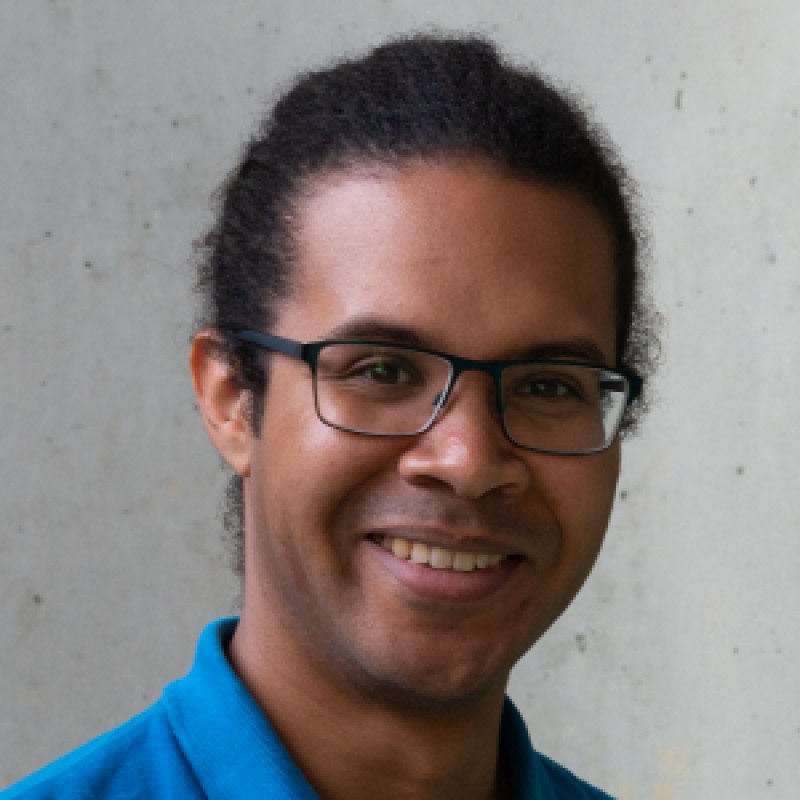
Sètuhn obtained his MSc at ETH Zürich where he did his master thesis on the synthesis of polyphenylenes with Suzuki polycondensation. After his MSc, he undertook a 6 months internship at BASF SE (Ludwigshafen, Germany) where he worked on ring-opening polymerisation of cyclic carbonates. He then moved to the UK to undertake his PhD at the University of Warwick in the Dove group and the O’Reilly group as a joint student part of the SUSPOL-EJD Marie-Curie program (co-tutelle with the group of Prof. Taton at the University of Bordeaux) where he was researching into the synthesis of asymmetric organocatalytic nanoreactors.
He joined the Adolphe-Merkle Institute in 2020 as a joint post-doctoral researcher between the Bruns and Weder groups where he investigated the development of polymersome-based cargo carriers to deliver morphogenetic factors as part of the NCCR Bio-inspired Materials. Sètuhn now works at Givaudan.

Dr. Samuel Raccio
Location: Adolphe Merkle Institute
ORCID: 0000-0003-0251-4876
Samuel completed his bachelor’s and master’s degrees in chemistry at the University of Fribourg. After completing his master’s thesis on chlorophylline-catalyzed ATRP in the Bruns Group, he obtained a doctoral position in the group. Working on polymerization based amplification for bio-detection, he studyed biocatalytic precipitation polymerization reactions for malaria diagnostics. He obtained his PhD in 2020 from the University of Fribourg and continued to work as a postdoctoral researcher in the Bruns group, focusing on the malaria diagnostics technology of Hemolytics.
Dr. Peng Liu
Location: Adolphe Merkle Institute
ORCID: 0000-0002-1961-8850
Peng graduated from Shanghai Institute of Technology, China, in 2012 with a B.A. in Applied Chemistry. Then he joined a joint project between Shanghai Institute of Technology and Shanghai Institute of Organic Chemistry, China, for his Master thesis on asymmetric addition reactions of chiral α,β-unsaturated-N–tert-butanesulfinyl ketimines. After his Master, in 2016, he moved to University of Fribourg, Switzerland to pursue his Ph.D. under the supervisor of Prof. Dr. Andreas Kilbinger, where he worked on telechelic polymer synthesis by ring opening matethesis polymerization (ROMP). He joined the Adolphe-Merkle Institute in 2020 as a joint post-doctoral researcher between Prof. Dr. Nico Bruns, Prof. Dr. Michael Mayer and Prof. Dr. Christoph Weder groups, where he investigated block copolymer based aqueous two-phase systems for the generation of electricity, as well as mechanodegradable polymers as part of the NCCR Bio-Inspired Materials. Peng continued his academic career as a postdoc in the group of Prof. Maxwell J. Robb at CalTech.
You can find more information on Twitter/X.
Dr. Philip B. V. Scholten
Location: Adolphe Merkle Institute
ORCID: 0000-0001-5187-7003
Philip studied chemistry at the University of Warwick, United Kingdom, and obtained his master degree in 2015 studying ring-opening polymerisations of macrolactones under the supervision of Prof. Andrew P. Dove. He then undertook a PhD within the Marie Curie EJD-FunMat programme under the supervision of Dr. Christophe Detrembleur (Université de Liège, Belgium) and Prof. Michael Meier (Karlsruhe Institute of Technology, Germany). Within this EU-funded program, Philip investigated the synthesis of novel copolymers based on renewable resources and ethylene using reversible deactivation radical polymerisation, as well as novel pathways towards the combination of cellulose and industrial polyethylene using renewable compatibilisers.
Philip then joined the Adolphe Merkle Institute in 2019 as a Post-doctoral Researcher as part of the NCCR Bio-Inspired Materials, investigating polymersome-based nanocarriers for drug delivery. In 2020 he obtained a Marie Skłodowska-Curie Fellowship and worked in the group of Prof. Christoph Weder at the Adolphe Merkle Institute. He continueed his career at Bloom Biorenewables where he is now Chief Innovation Officer.
You can find more information on LinkedIn.

Dr. Kyle J. Rodriguez
LinkedIn
Location: Adolphe Merkle Institute
ORCID: 0000-0002-3208-8612
Kyle graduated from the College of the Holy Cross in 2012 with a B.A. in Chemistry. During his time there he worked as a research intern at Genocea Biosciences. In 2012, he joined Samuel Pazicni and Erik Berda’s research groups as a PhD student at the University of New Hampshire where he investigated the role of secondary sphere interactions in heme proteins using porphyrin‐cored polymer nanoparticles. After obtaining his PhD In 2017, he joined Prof. Nico Bruns’ group at the Adolphe Merkle Institute where his research focused on investigating metalloproteins for their use in controlled radical polymerizations. He continued his career as a Innosuisse Postdoctoral Fellow at EPFL and the start-up Annaida Technologies. Kyle now works for Bruker BioSpin.
- Dr. Clément Mugemana (Luxembourg Institute of Science and Technology (LIST))
- Dr. Jose V. Araujo (Straumann Group, Switzerland)
- Dr. Csaba Fodor (European Patent Office, Germany)
- Dr. Maria Valentina Dinu (Petru Poni Institute of Macromolecular Chemistry, Romania)
- Dr. Mariana Spulber (FMC Corporation, Denmark)
- Dr. Elisa S. Noguira (Janssen Pharmaceutical Companies of Johnson & Johnson, Switzerland)
- Dr. Katarzyna Makyła-Juzak (Jagiellonian University, Poland)
- Dr. Marzena Kocik
- Prof. Dr. Gergely Kali (University of Innsbruck, Austria)
PhD Students
Dr. Eleonora Ornati
eleonora.ornati@tu-darmstadt.de
ORCID: 0009-0006-3521-8095
Eleonora worked on intracellular radical polymerizations and on glucose oxidase-catalyzed radical polymerizations and completed her very successful PhD at TU Darmstadt in 2025.

Dr. Micael Gouveia
Location: University of Strathclyde
ORCID: 0000-0003-3645-2394
Micael studied Biotechnology (BSc) at University of Aveiro, Portugal, and later graduated on Bioengineering and Nanosystems (MSc) from University of Lisbon, Portugal. Micael joined the Bruns Group as a PhD student within the NCCR Bio-Inspired Materials in 2018. He worked towards triggerable catalytic entities, namely force-responsive block copolymer vesicles featuring reversible membrane permeability. Micael obtained his PhD from the University of Strathclyde in 2024. He continued his career as a postdoc in the µFlow Cell group of Prof. Wim de Malsche at the Department of Chemical Engineering, Vrije Universiteit Brussel (VUB), Belgium.
Dr. Andriy Lubskyy
Location: Adolphe Merkle Institute
ORCID: 0000-0002-6725-4430
Andriy worked under the supervision of Dr. Michela Pellizzoni on biocatalytic atom transfer radical addition and cyclization reactions and graduated in 2023. He continued his career as a postdoc at the Institute of Molecular and Translational Medicine in Olomouc, Czech Republic.
Dr. Michèle Clerc
Location: Empa St. Gallen
Co-supervised with Dr. Luciano Boesel and Prof. Stefan Salantinig
ORCID: 0000-0003-3252-5410
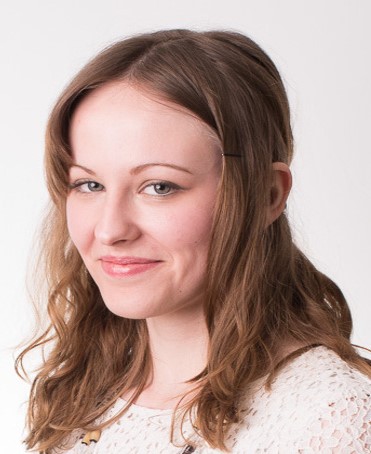
Michèle completed her undergraduate studies in Chemistry at the University of Zurich, Switzerland. Her Master thesis focused on lanthanide complexes for time-resolved luminescence imaging and photodynamic therapy. Michèle is worked on her PhD thesis in collaboration between the groups of Dr. Luciano Boesel at Empa St. Gallen, Switzerland, the Bruns group at the University of Strathclyde/TU Darmstadt and Prof. Stefan Salentinig at the Department of Chemistry of the University of Fribourg. Her project was about light-responsive block copolymers based on Donor-Acceptor Stenhouse Adducts (DASAs) for applications in drug delivery. After her graduation in 2023, she continued as a postdoctoral researcher at Empa ST. Gallen.
Dr. Justus P. Wesseler
Location: University of Strathclyde
ORCID: 0000-0003-2494-771X
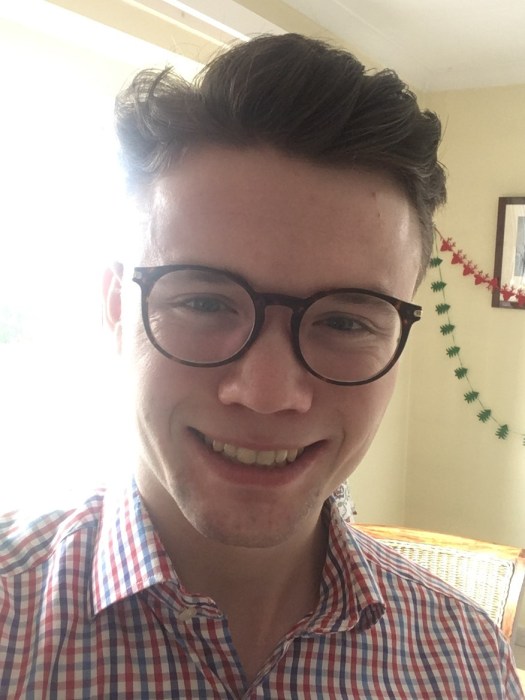
Justus completed his MChem at the University of Sussex. For his Master’s project he worked on the development of a novel synthesis for N-carboxyanhydrides compatible with flow chemistry. In his PhD project he worked on DASA-functionalized polymers. In 2023, Justus continued his career as a postdoctoral researcher at the Adolphe Merkle Institute of the University of Fribourg.

Dr. Sara Tatiana R. Velasquez
Location: University of Strathclyde
ORCID: 0000-0002-9943-9050
Sara obtained her Bachelors degree in Materials Engineering at the Federal University of Santa Catarina in Brazil. She followed a masters degree in Materials Science at ETH Zurich where she worked with nacre bioinspired composites. In her PhD she investigated bio-inspired amphiphilic polymer conetworks (APCNs) as part of the PIRE: Bioinspired Materials and Systems. Her research focused on developing peptide- and cellulose nanocrystal reinforced APCNs with superior mechanical properties. After her graduation in 2023 she joined the research group of Prof. Frederick Wurm at the University of Twente.

Dr. Chao Guo
Location: University of Strathclyde
ORCID: 0000-0002-1610-1768
Chao got his Master degree from the University of the Chinese Academy of Sciences (UCAS) and then joined the Bruns Group with a protein engineering background. His PhD project focused on tuning metalloenzymes for biocatalytic atom transfer radical polymerizations (bioATRP) and for peroxidase reactions. After his graduation in 2021 he joined the Rosalind Franklin Institute as Postdoctoral Research Associate in Chemical Biology.

Dr. Robert J. Chadwick
Location: University of Strathclyde
ORCID: 0000-0001-7476-2399
Rob was awarded his Masters in Applied Chemistry (MChem) with first class honours from Northumbria University, Newcastle, in July 2018. His masters project was titled ‘Synthesis of Novel Thermoresponsive Hydrogels based on NIPAAm and PVCL’. In 2018, he joined the Bruns group to work in the biocatalytic ATRP team, and graduated from the University of Strathclyde in 2021. He continued his career as Postdoctoral Researcher in the Group of Prof. Javier Read de Alaniz at the University of California Santa Barbara.
Dr. Livia K. Bast
Location: Adolphe Merkle Institute and University of Strathclyde
ORCID: 0000-0002-0377-4074
Livia obtained her Master’s degree in Chemistry from the TU University Dortmund, Germany, where she worked on polymer-antibiotic conjugates (PACs). She started her PhD in Nico Bruns’ research group in 2016, doing her PhD within the ITN PlaMatSu (Plant-inspired Materials and Surfaces). Sadly, Livia passed away in a mountain hiking accident in 2021 when she was in the final year of her PhD. She was awarded her PhD posthumously from the University of Fribourg in 2023.
- Dr. Samuel Raccio (Adolphe Merkle Institute and Hemolytics, Switzerland)
- Dr. Bernadetta Gajewska (Janssen Europe, Switzerland)
- Dr. Edward A. Apebende (University of Nottingham, UK)
- Dr. Sebastian E. Ulrich (Merck, Switzerland)
- Dr. Omar Rifaie-Graham (Queen Mary University of London, UK)
- Dr. Jonas Pollard (Adolphe Merkle Institute and Hemolytics, Switzerland)
- Dr. Martin Rother (Florina AG, Switzerland)
- Dr. Martin G. Nussbaumer (Lonza, Switzerland)
- Dr. Smahan Toughraï (Agidens, Switzerland)
- Dr. Kasper Renggli (Philip Morris International, Switzerland)
Master Thesis Students (from 2018 onwards)
Marie Le Dot
Marie was an Erasmus+ Master student from Toulon University in France. She joined the Bruns group at the University of Strathclyde for her Master thesis on bio-inspired amphiphilic polymer conetworks in 2020.
Jobbe Ramaekers
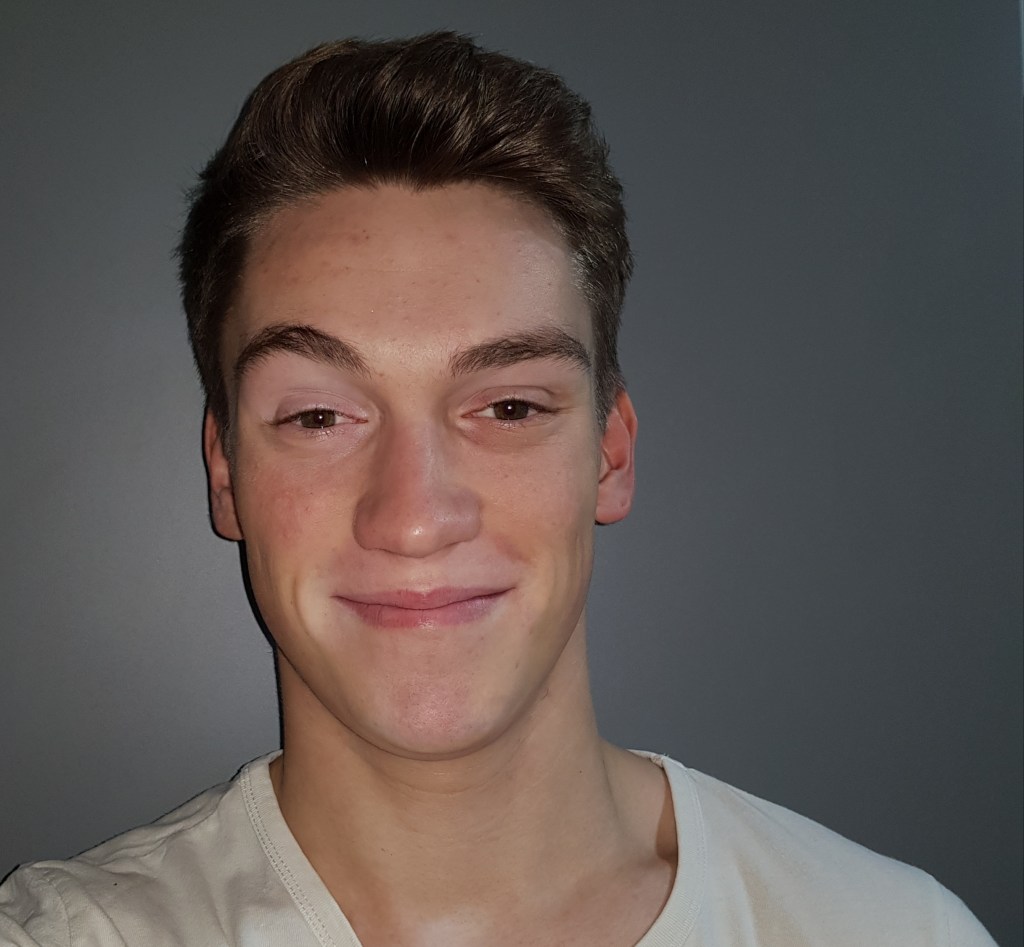
Jobbe was an Erasmus+ Master student from Hasselt University in Belgium. He joined the Bruns group at the University of Strathclyde for his Master thesis on force-responsive polymersomes in 2019-2020.
Elisabeth Hargreaves
Location: University of Strathclyde
Elisabeth is a Final Year Chemistry Student of the University of Strathclyde. She joined the Bruns group for her Master thesis on bio-inspired amphiphilic polymer conetworks in 2020.
Thomas Manson-Stubbs
Location: University of Strathclyde
Thomas is a Final Year Chemistry Student of the University of Strathclyde. He joined the Bruns group for his Master thesis on novel recycling strategies for fiber-reinforced composites in 2020.
Scientific Collaborators
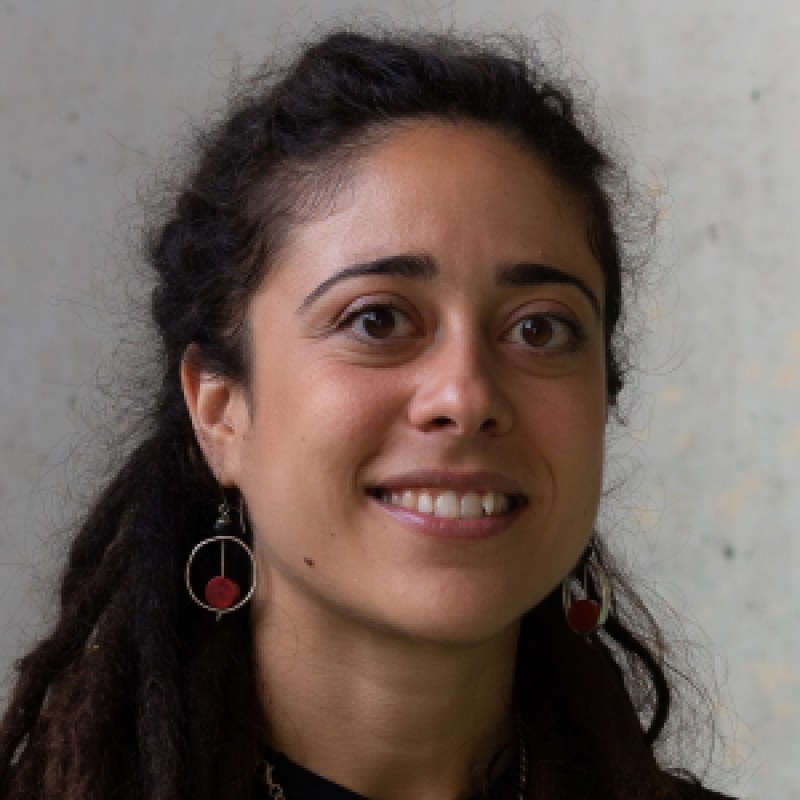
Serafina Calarco
Location: Adolphe Merkle institute
Sara was member of the Hemolytics team. She further improved our malaria diagnostic assay.
- Thanh Quy Dang
- Prof. Farzad Seidi (Nanjing Forestry University (NJFU), China)
Project Managment and Administration

Claire Scott
claire.scott@strath.ac.uk
Location: University of Strathclyde
Claire was the Project Manager of the ITN PlaMatSu.
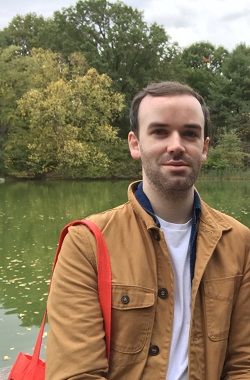
Dr. David Rush
d.rush@strath.ac.uk
Location: University of Strathclyde
David was Project Assistant of the ITN PlaMatSu.
 Bruns Group